

Design Freedom, inc.
Exploring Structural Concrete Insulated Panels (SCIPs) for Small-Scale Development
New Homes and ADUs, Townhouses, Duplexes, Triplexes and Quads, Small-scale Multifamily
Build Stronger, Smarter Buildings with SCIPs
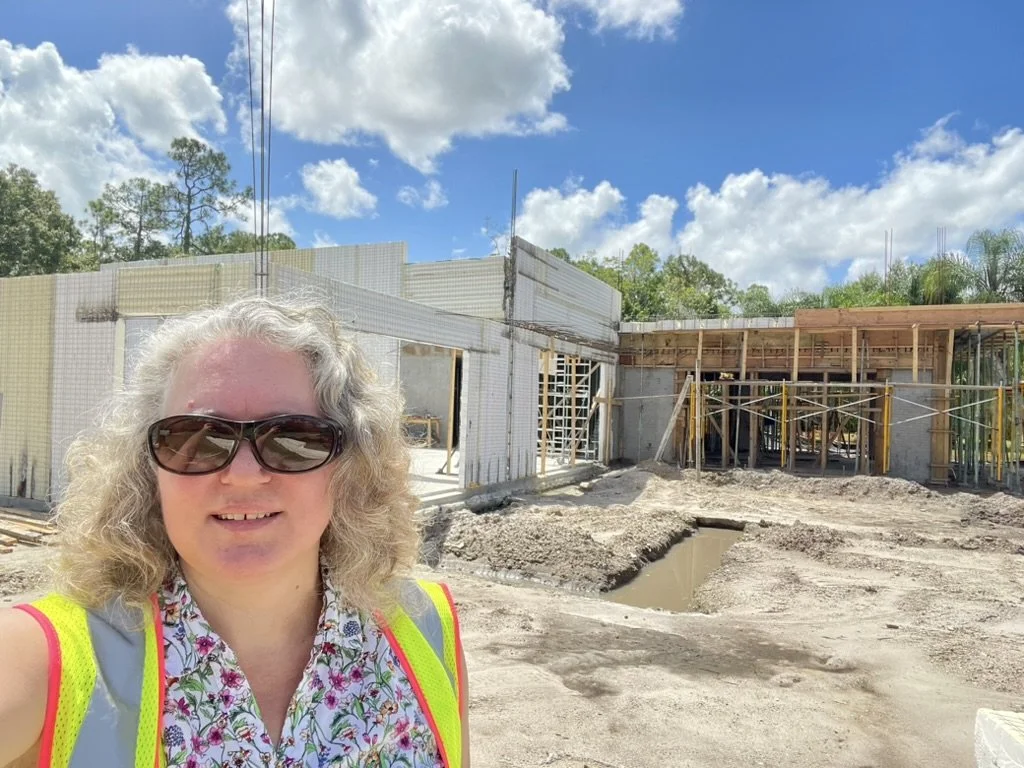
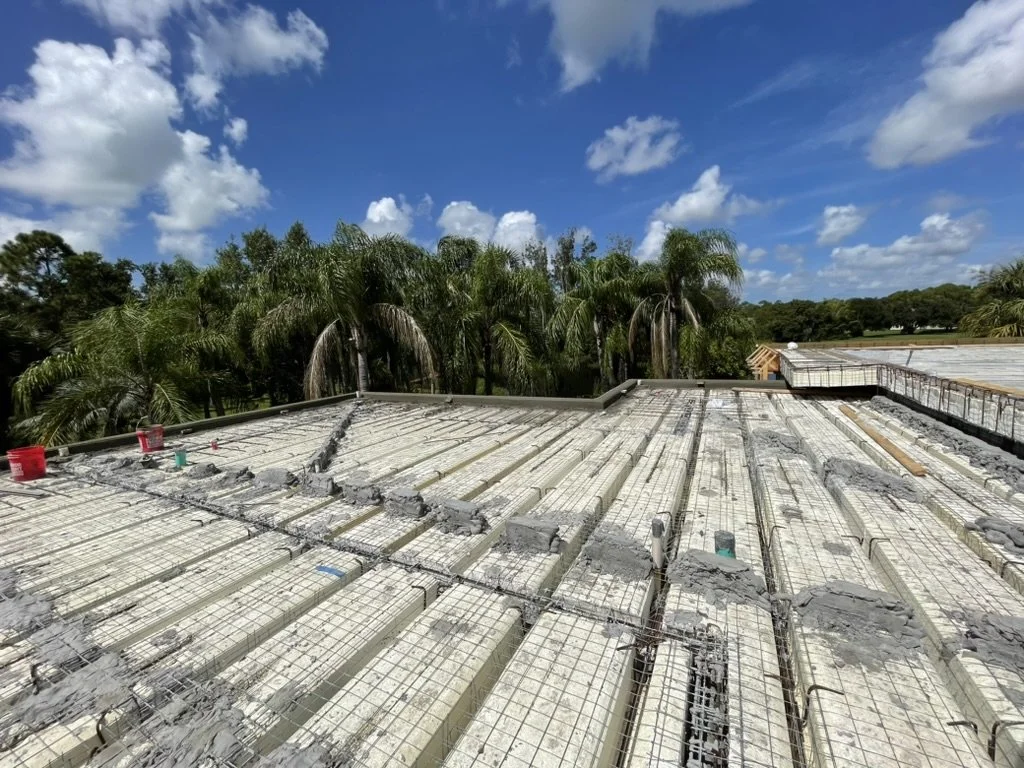
Structural Concrete Insulated Panels (SCIPs) are an alternative construction system that combines structure and insulation into a single wall assembly.
For small-scale developers and investors, SCIPs are not just a material choice—they are a construction strategy that can influence:
Build speed
Construction cost structure
Energy performance
Long-term durability and maintenance
Resilience in coastal and hurricane-prone environments
Why SCIPs Matter for Development Projects
When evaluating any construction system, the real questions are:
Does it improve buildability?
Does it reduce long-term risk?
Does it simplify or complicate construction?
Does it support the financial goals of the project?
SCIPs are one of several systems we evaluate when designing resilient, small-scale residential and multifamily projects in Florida.
Key Potential Advantages
Energy Performance
Continuous insulation can reduce thermal loss and support lower long-term energy use.
Resilience
Concrete-based systems offer increased resistance to wind, water, and fire exposure.
Durability
Reduced vulnerability to issues such as rot, termites, and moisture damage.
Construction Efficiency
In some project types, SCIP systems may simplify wall assembly and coordination.
Important Context
SCIPs are not a universal replacement for conventional construction methods.
Their effectiveness depends on:
Project type
Budget and construction market conditions
Contractor familiarity
Structural and architectural complexity
Local permitting and code considerations
Each project must be evaluated individually.
Our Approach
Design Freedom, Inc. does not promote a single construction system as a default solution.
Instead, we:
Evaluate project goals and site conditions
Compare appropriate construction methods
Coordinate with engineers and builders when specialized systems are considered
Focus on feasibility, constructability, and long-term value
Experience & Exploration
We are actively researching SCIP systems and how they may apply to small-scale residential and multifamily development.
This includes:
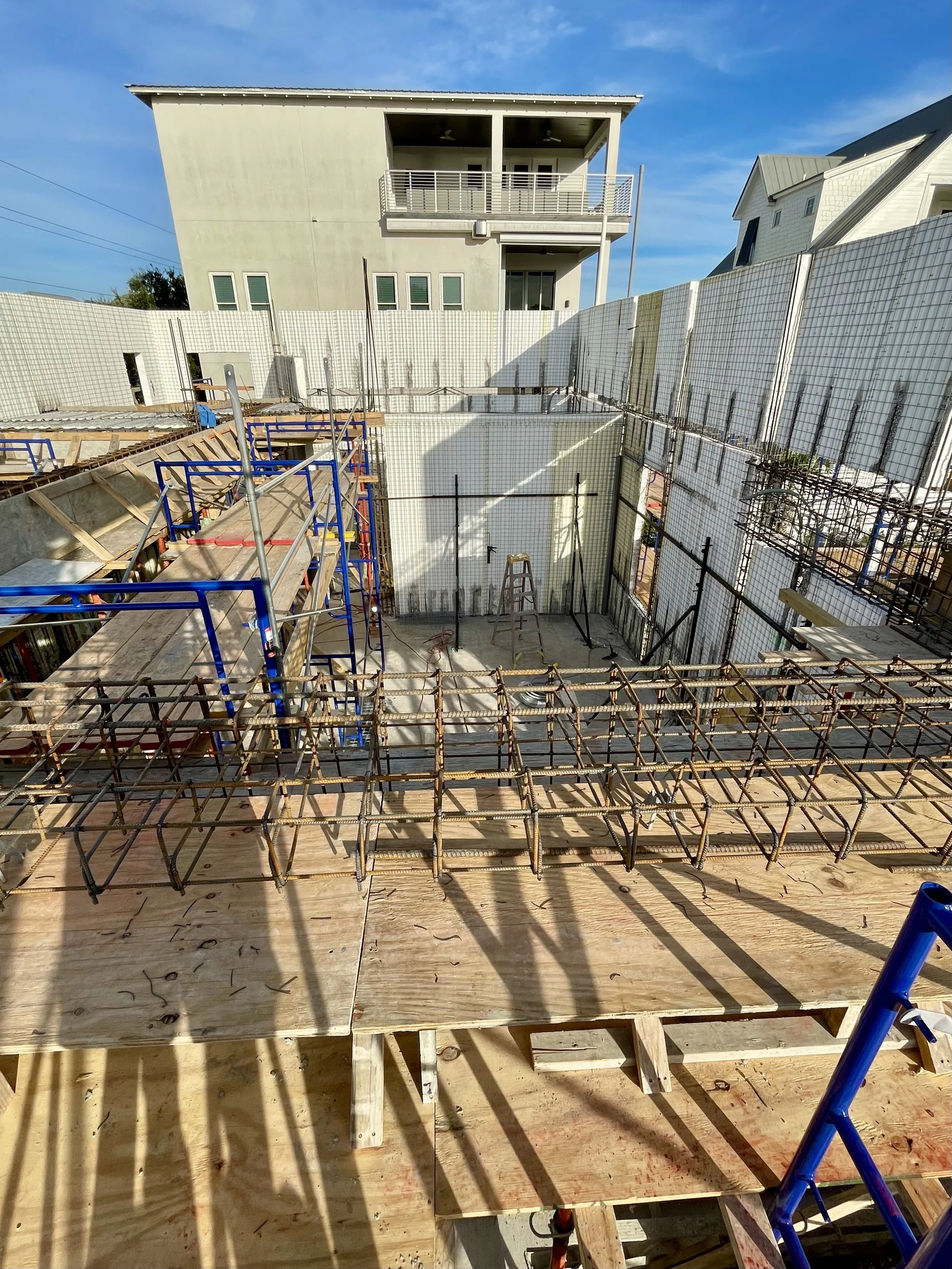
Reviewing built examples
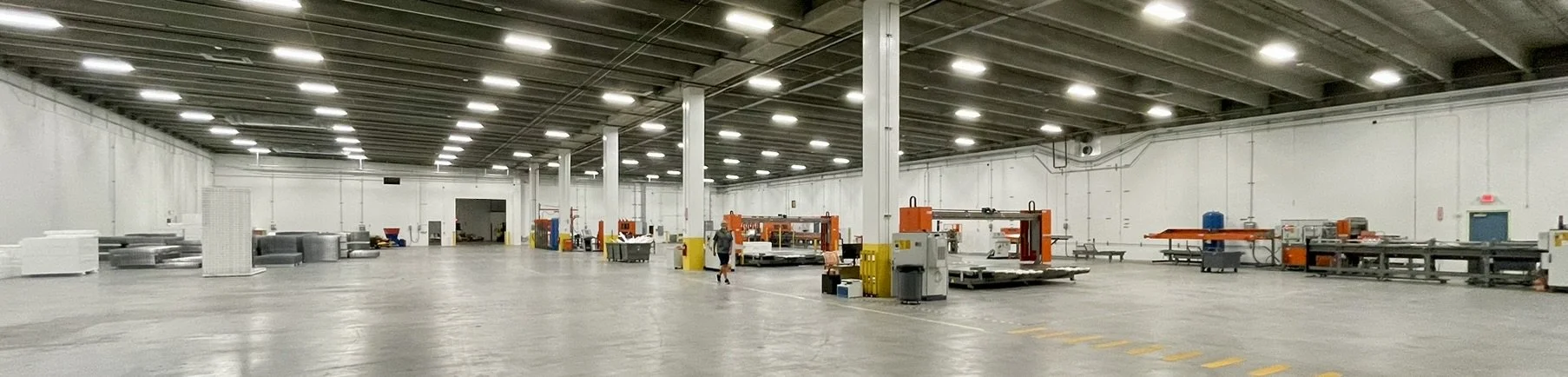
Visiting manufacturing and construction sites
Coordinating with SCIP manufacturers and builders
Cathy Svercl, RA, is also a founding member of the North America SCIP Association, supporting the advancement and understanding of the system within the industry.
See SCIPs in Context
The images on this page include:
Projects under construction
Structural assembly stages
Manufacturing environments
Site visits and field research
These examples are intended to show real-world application and construction conditions.
Let’s Talk
If you are considering a project where SCIPs may be relevant, or you are evaluating different construction systems for a small-scale development, we can help assess whether it is a good fit.
Note on project images:
The images shown on this page include SCIP buildings and construction examples from third-party projects. These are not Design Freedom, Inc. projects. They are included to illustrate real-world applications and construction stages of the system.
Design Freedom, Inc. engages with a range of industry partners, including manufacturers, builders, and consultants, to better understand and evaluate how SCIP systems may be applied in small-scale residential and multifamily development. Our focus is on selecting the right approach for each project, regardless of provider.